
Skid Steer Loaders Explained
Learn what skid steer loaders are, how they work, and what they're used for. Explore sizes, attachments, and how to choose the right machine for your needs
Skid steer loaders are compact, powerful, and impressively versatile making them one of the most valuable machines on construction sites, farms, landscaping projects, and municipal operations. Their compact design and wide range of compatible attachments allow them to take on multiple roles with ease.
In this guide, we’ll break down what a skid steer is, how it works, the key types and attachments, and how to choose the right model for your needs.
What Is a Skid Steer Loader?
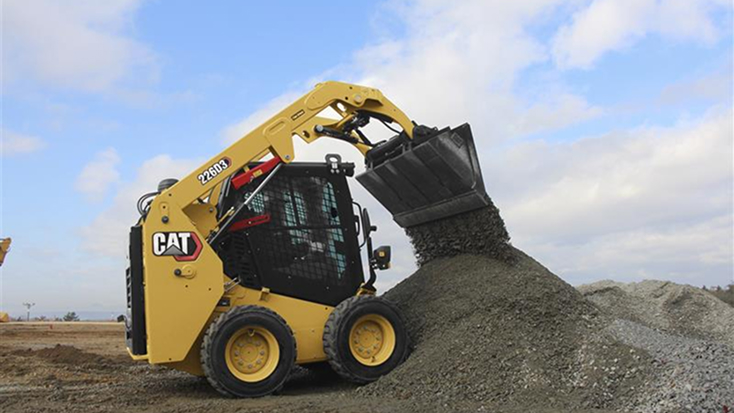
A skid steer loader is a compact, engine-powered machine with lift arms that can connect to a variety of tools and attachments. Known for their agility and manoeuvrability, skid steers are capable of tight, zero-radius turns, making them ideal for confined spaces and busy job sites.
Key Features:
- Four-wheel drive with differential steering
- Lift arms quick coupler for attaching tools like buckets, forks, augers, and sweepers
- Either open or enclosed operator cab
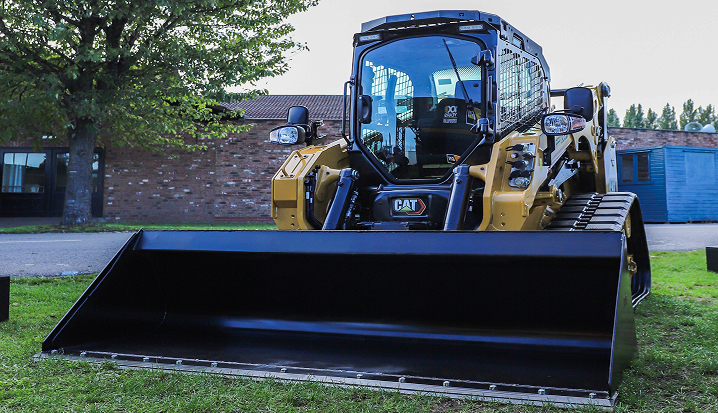
- Available in wheeled or tracked versions (Compact Track Loader)
The term “skid steer” comes from the machine’s unique steering mechanism. The wheels on each side are locked in sync, and turning is achieved by increasing or decreasing the speed of wheels on either side—causing the machine to “skid” during turns.
Common Uses for Skid Steer Loaders
Skid steers are among the most flexible machines in construction and heavy industry. They can take on dozens of roles across different sectors:
- Material handling and transport
- Trenching and digging
- Landscaping and site preparation
- Demolition and debris removal
- Snow clearing and sweeping
- Utility and road maintenance
- Brush and tree clearing in forestry
Thanks to their compact design and extensive attachment options, a single skid steer can replace multiple machines on smaller job sites.
Skid Steer Sizes and Load Capacities
Skid steer loaders are typically classified by size and rated operating capacity (ROC). Understanding these categories helps match the right machine to the right job.
Small-frame
- Rated Operating Capacity: Under 1,750 kg
- Common Applications: Landscaping, interior or confined access work
Medium-frame
- Rated Operating Capacity: 1,750–2,200 kg
- Common Applications: Construction, material movement, light demolition
Large-frame
- Rated Operating Capacity: Over 2,200 kg
- Common Applications: Heavy-duty lifting, grading, and major construction work
When choosing a size, consider access points, terrain, and what attachments you'll use most frequently.
Skid Steer Attachments That Boost Productivity
Skid steers become incredibly versatile when paired with the right attachments. Some of the most commonly used include:
- Buckets (standard, 4-in-1, high capacity)
- Pallet forks for material handling
- Augers for drilling holes in fencing or foundations
- Sweepers and brooms for site or street cleaning
- Hydraulic breakers for concrete and demolition work
- Cold Planners for road maintenance
- Blades for grading
- Brush cutters for land clearing and vegetation control
- Grapples for moving bulky debris
Attachment changes are typically quick and simple, allowing crews to switch tasks without downtime.
Wheels vs. Tracks: Which Is Better?
Skid steer loaders come in both wheeled and tracked versions. The right option depends on your operating environment and job site conditions.
Wheeled Skid Steers:
- Faster and more agile on hard or paved surfaces
- Easier to maintain and transport
- Ideal for indoor demolition or urban environments
Tracked Skid Steers (Compact Track Loaders):
- Better traction and flotation on muddy, snowy, or uneven ground
- Smoother ride on rough terrain
- Often used in landscaping, grading, or soft ground conditions
Not sure which one to choose? Consider the terrain, weather conditions, and job frequency.
Skid Steer vs. Other Compact Equipment
Skid Steers are often compared to other compact machines including Mini Excavators and Backhoe Loaders.
Skid Steer
- Best for: Multi-tasking with attachments, material handling, agility
- Limitations: Limited digging depth
Compact Track Loader
- Best for: Heavy traction needs, grading
- Limitations: Higher maintenance costs, less speed
Mini Excavator
- Best for: Deep trenching, precise excavation
- Limitations: Not ideal for lifting or loading
Backhoe Loader
- Best for: Combined digging and loading tasks
- Limitations: Larger, less agile in tight spaces
If you need a multi-role machine that can dig, lift, sweep, and more—especially in tight areas—a skid steer is often the most practical choice.
Why Choose Finning for Your Skid Steer Needs?
Skid steer loaders offer exceptional flexibility, compact power, and year-round productivity for operators across industries. With a wide variety of models, attachments, and configurations available, they can be tailored to almost any project or environment.
If you're considering adding a skid steer loader to your fleet—or upgrading your current setup—Finning can help you find the perfect match. Get in touch with our team to discuss your options or browse the latest Cat® skid steers and attachments.