
A Complete Guide to Excavator Types and Their Uses
September 3, 2025
Excavators are the workhorses of modern construction and earthmoving projects. Whether you're breaking ground on a new site or maintaining a mining operation in Northern Alberta, choosing the right type of excavator is critical for efficiency, safety, and cost control. This guide covers the main types of excavators, how they’re used, and how to choose the right one for your project.
What Is an Excavator?
An excavator is a heavy-duty machine used primarily for digging and moving large volumes of material. Commonly seen on construction sites across Canada, excavators are equipped with a boom, dipper (or stick), and a bucket, all attached to a cab mounted on either tracks or wheels.
Excavators are designed for power and precision. They can rotate 360 degrees and are highly versatile thanks to interchangeable attachments.
Excavator Uses Across Industries:
- Construction: Foundations, trenching, backfilling, site prep
- Mining: Material extraction, pit development, overburden removal
- Utilities: Installing pipes, safe digging around underground services
- Forestry & Environmental: Land clearing, stream restoration, erosion control
- Demolition: Building teardown, debris handling
Main Types of Excavators Explained
There are many types of excavators, each suited to specific tasks and terrain. Here's a breakdown of the most common types used in Canada.
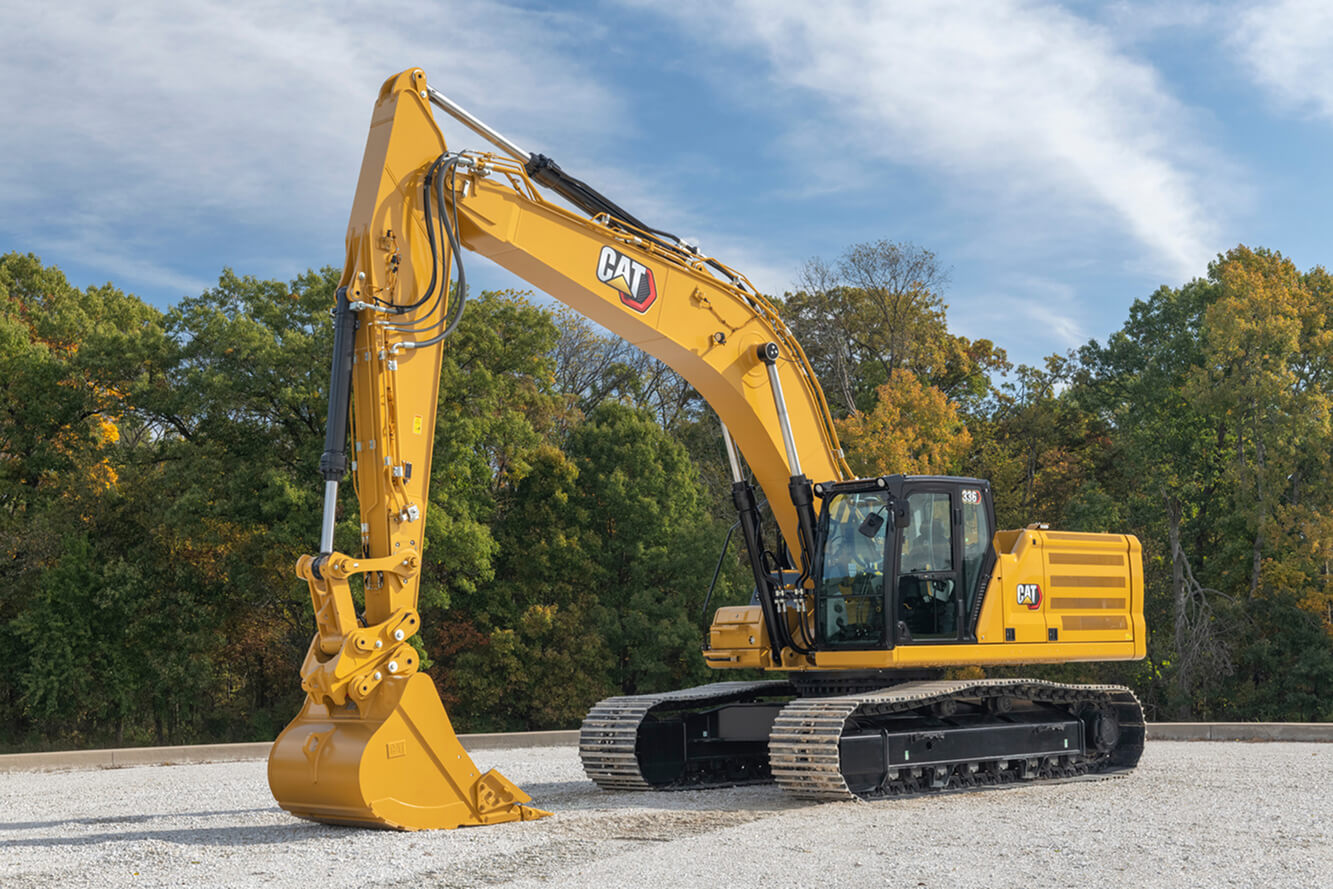
Crawler Excavator (Standard Hydraulic)
- Best for: General construction, trenching, large-scale excavation
- Why it works: The tracked undercarriage offers great stability on rough, muddy, or sloped terrain—ideal for Canadian job sites in remote or rugged areas.
Wheeled Excavator
- Best for: Urban jobs, roadwork
- Why it works: Faster and more agile on paved surfaces. Often used in cities like Toronto or Vancouver where space and mobility matter.
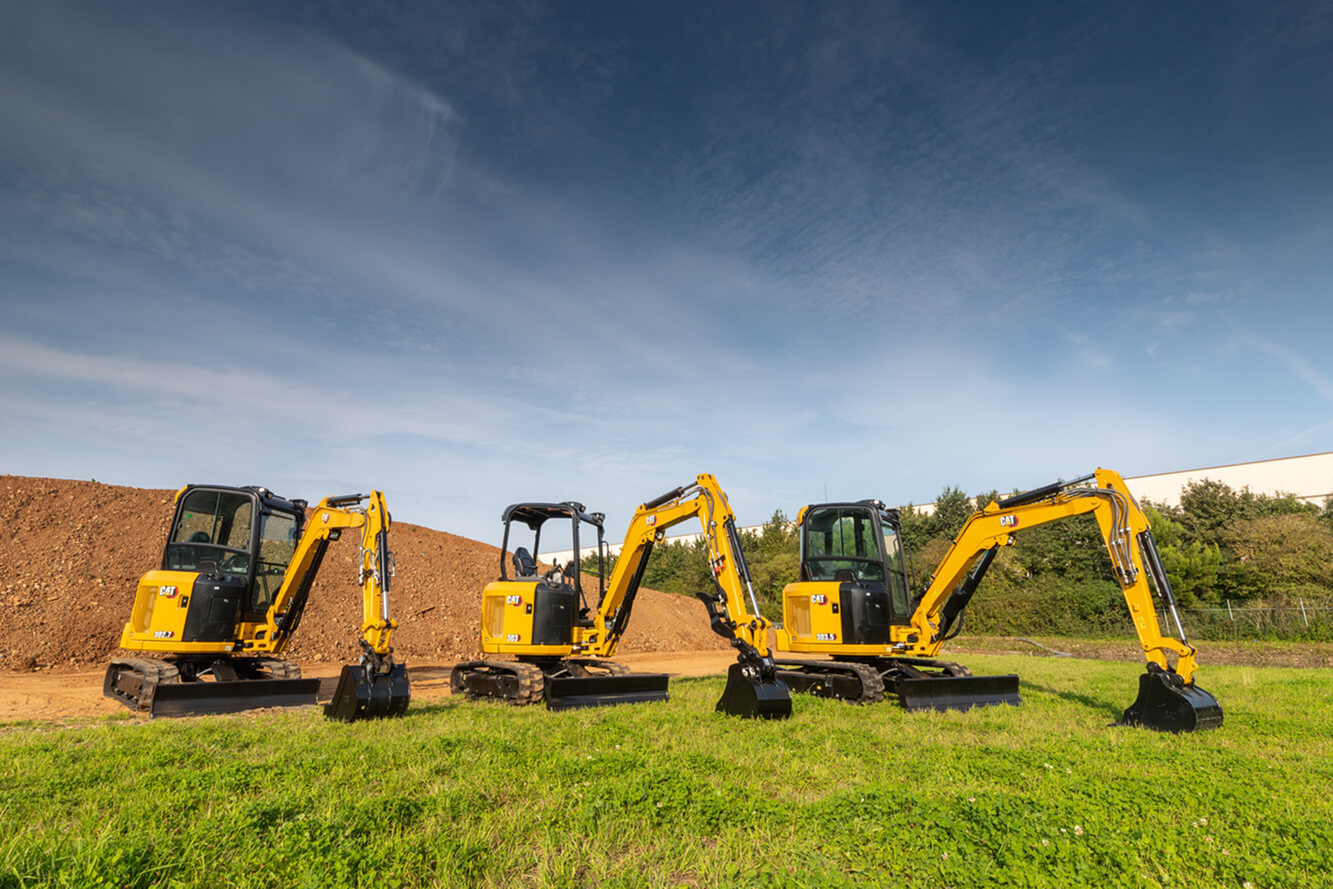
Mini/Compact Excavator
- Best for: Tight spaces, small residential jobs, landscaping
- Why it works: Lightweight and easier to transport, mini excavators minimise damage to finished surfaces and can navigate narrow access points.
Long-Reach Excavator
- Best for: Dredging, deep trenching, demolition at height
- Why it works: Extended arm and boom make it perfect for reaching across waterways or accessing hard-to-reach areas.
Choosing the Right Excavator for the Job
To choose the best excavator, consider:
- Terrain (e.g., rocky vs urban)
- Space (tight residential lot vs wide-open mining pit)
- Depth requirements (shallow trench vs deep foundation)
- Project duration (one-off job vs long-term operation)
Crawler
- Ideal for: Construction, mining
- Limitations: Slower on paved roads.
Wheeled
- Ideal for: Urban roadwork
- Limitations: Less stable on rough terrain
Mini
- Ideal for: Landscaping, small sites
- Limitations: Lower lifting and digging power
Long-Reach
- Ideal for: Dredging, demolition
- Limitations: Not ideal for confined spaces
Popular Excavator Uses & Applications
Excavators are among the most versatile machines on a job site. Here are some of their most common applications:
- Trenching and Digging: For foundations, pipelines, and cables
- Demolition: Removing structures safely and efficiently
- Material Handling: Lifting and moving debris, aggregates, or logs
- Dredging and Waterways: Cleaning and shaping rivers, lakes, or harbours
- Utility Excavation: Non-destructive digging for cable or pipe laying
- Forestry Work: Clearing land or restoring environmental areas
Excavator Sizes and Weight Classes
Understanding excavator sizes helps ensure you’re not over- or under-powered for your project.
- Micro (<1 tons): Indoor or ultra-tight spaces
- Mini (1–6 tons): Landscaping, small construction projects
- Medium (7–25 tons): General construction, municipal work
- Large (26–45 tons): Commercial site prep, road building
- Ultra-Heavy (>45 tons): Mining, major infrastructure projects
Excavator Attachments That Expand Capability
With the right attachment, one excavator can do the job of many machines:
- Buckets: Trenching, digging, grading
- Hydraulic Breakers: Demolition of concrete and rock
- Grapples: Lifting logs or scrap materials
- Augers: Drilling post holes or foundation supports
- Tiltrotators: Greater flexibility and efficiency in digging angles
Should You Rent or Buy an Excavator?
When Renting Makes Sense:
- Short-term projects
- Seasonal work
- One-off specialised needs (e.g., suction excavators)
When Buying Is Better:
- Ongoing construction or mining operations
- Fleet expansion with consistent demand
- Long-term cost savings on commonly used machines
CONSIDER:
- Maintenance and storage costs
- Tax advantages (e.g., capital cost allowance in Canada)
- Availability from local dealers or rental yards
Choosing the right excavator isn’t just about size or specs—it’s about performance, safety, and long-term value. Whether you’re operating in a downtown job site in Toronto or a remote mining location in British Columbia, selecting the right type of excavator for the task will keep your project on time, on budget, and on track.
Looking for tailored advice or need help sourcing the right excavator in Canada? Reach out to a trusted heavy equipment partner to get started.
Excavator FAQs
What is the most common type of excavator?
The crawler excavator is the most widely used type, thanks to its versatility, stability on uneven terrain, and suitability for general construction, mining, and trenching projects.
What size excavator do I need for my project?
This depends on the task, site conditions, and space. Mini excavators are ideal for landscaping or residential jobs, while medium to large machines suit commercial and industrial work.
What attachments can I use with an excavator?
Excavators can be fitted with buckets, hydraulic breakers, grapples, augers, and tiltrotators to expand their capabilities—from digging to demolition and lifting.
Should I rent or buy an excavator in Canada?
Renting is ideal for short-term or one-off jobs, while buying makes sense for ongoing projects. Consider cost, storage, and usage frequency when making your decision.
What is a mini excavator used for?
Mini excavators are best for tight spaces, small jobs, and light digging work—common for landscaping, utility installation, or indoor demolition.
How deep can an excavator dig?
Excavator digging depth varies by size. A standard 20-tonne machine can typically dig around 6–7 metres deep, while long-reach models can go beyond 10 metres.
Finning is the world's largest Caterpillar dealer, selling, renting and providing parts and service for equipment and engines to customers across diverse industries, including mining, construction, petroleum, forestry and a wide range of power systems applications. We operate in Western Canada, South America, and UK and Ireland.