
Finning Cat Rebuilds
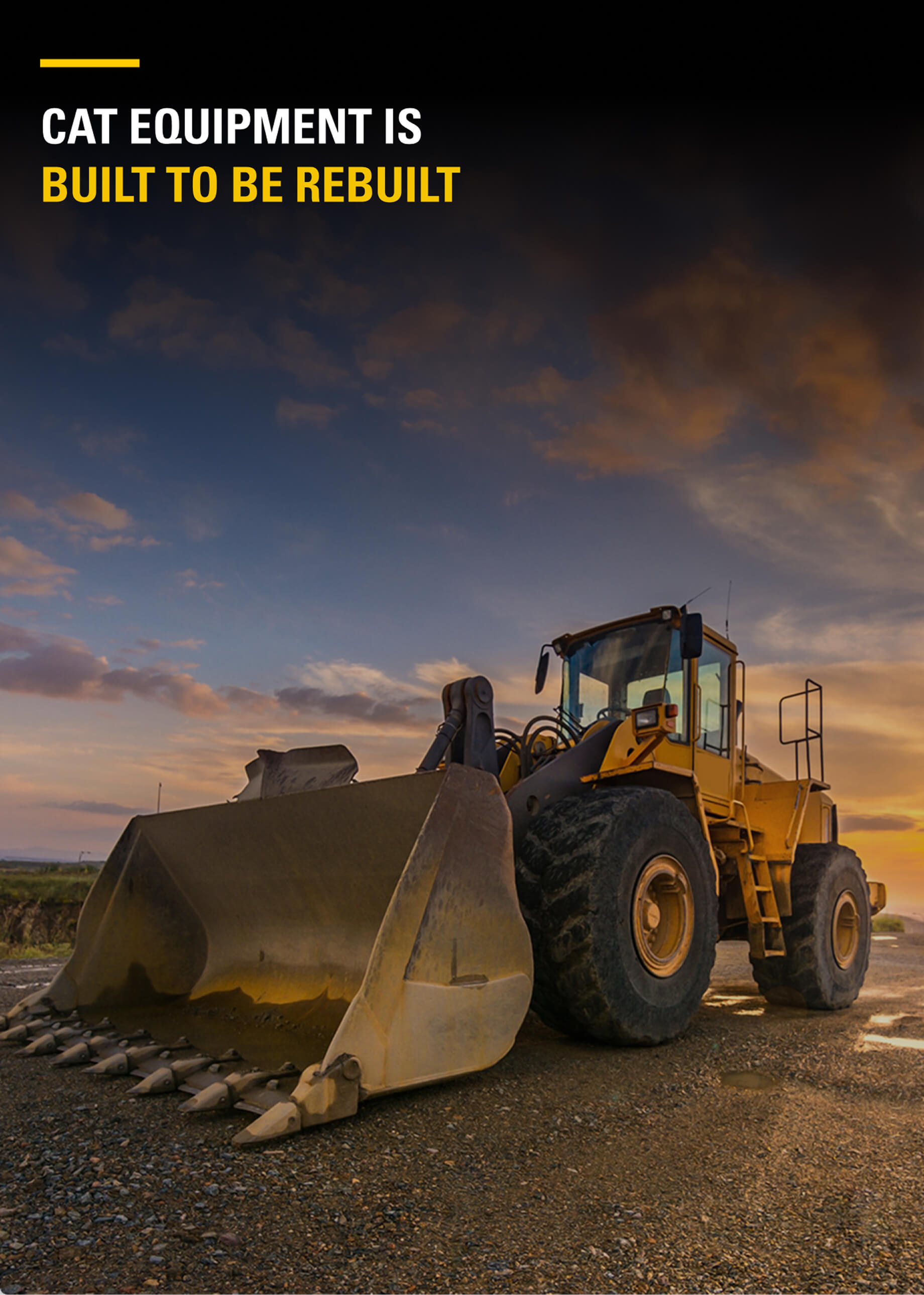
Cat Machines are built to be rebuilt. Give your machine another life for half the cost of a new one!
Notice your excavator losing power? Hydraulic pump overheating? Feeling your dozer is sluggish under load? Cat machines are one of the best on the market, but they too have a lifespan. However a powerful feature of Cat products is that they are built to be rebuilt! Give your machine another life with Finning Cat’s rebuild program.
Our rebuild program
Understanding Rebuilds
Understanding the cost, timing, and scope of an equipment rebuild is key to making the right decision for your operation. Whether you’re comparing rebuilding versus replacing, exploring different Cat® Certified Rebuild options (CMR, CPT+H, or component rebuilds), or evaluating long-term value, the FAQs below provide clear, practical guidance. Learn what impacts rebuild cost, how timelines are managed, and how Cat Certified Rebuilds help extend machine life, improve performance, and protect your investment with OEM-backed standards and support.
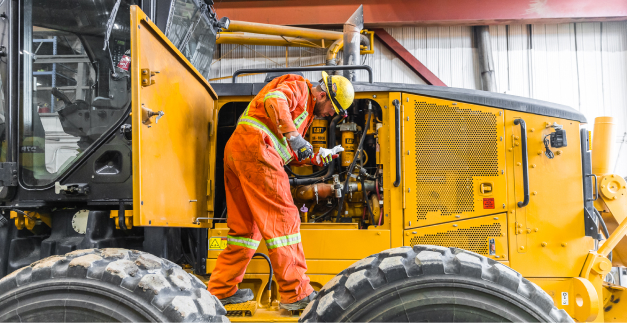
Equipment rebuild costs vary based on machine type, rebuild scope, and systems included. In general, Cat Certified Powertrain + Hydraulics rebuilds (CPT+H) cost approximately 50–65% of the price of new equipment, while Certified Machine Rebuilds (CMR) with a larger scope can cost 70% or more of new. Rebuilds are often a cost‑effective way to extend machine life.
A rebuild typically takes 4–12 weeks, depending on the type and scope of work selected. Timelines vary based on machine condition, parts availability, and the systems being rebuilt. If extended downtime is a concern, Finning offers a range of rental equipment options to help keep your operation running while your machine is being rebuilt.
Both rebuilding and replacing equipment have advantages, and the right choice depends on factors such as current maintenance costs, remaining machine life, future workload, emissions requirements, and ownership timelines. Rebuilding is often a cost‑effective way to extend asset life. Finning can help assess your situation and recommend the best option for your business.
A Cat Certified Rebuild is a Caterpillar‑endorsed process that restores Cat® equipment to like‑new performance using defined engineering standards and genuine Cat parts. Certified Rebuilds can be applied to full machines, powertrain and hydraulic systems, or individual components, helping extend machine life while maintaining reliability, performance, and long‑term value.
Caterpillar dealers offer four main Cat Certified Rebuild options:
- Certified Machine Rebuild (CMR)
- Certified Powertrain Only (CPT+O) or Certified Powertrain +Hydraulics (CPT+H), and
- Certified Machine Component Rebuild (CMCR)
- Certified Power end Energy Rebuild
While these are standard offerings, rebuilds can be customized to include additional systems or repairs based on your machine’s needs.
The difference lies in the scope of systems restored. A full machine rebuild (CMR) reconditions all major systems, including engine, drivetrain, hydraulics, and structure.
Powertrain + hydraulics rebuilds (CPT+H) focus on the machine’s core systems. Component rebuilds restore individual components such as engines, transmissions, axles, or hydraulic cylinders.
“Same‑as‑new” refers to how a machine performs and, in some cases, how it looks after a rebuild. With a Certified Machine Rebuild, the machine is restored to like‑new condition in both performance and appearance. Powertrain or component rebuilds focus on restoring original performance, with optional cosmetic repairs available depending on the rebuild scope.
Eligible Cat Certified Rebuilds can include Extended Protection Plans (EPP), offering additional warranty coverage beyond standard protection. Coverage options may include powertrain, hydraulic systems, or individual components such as engines, transmissions, axles, final drives, or implement and steering pumps, helping reduce risk and protect your rebuild investment.
Cat Certified Rebuilds are completed at authorized Cat dealers because they have access to Caterpillar engineering specifications, updated service documentation, and approved reuse and salvage guidelines. Dealer technicians receive extensive Cat‑specific training and use genuine Cat parts, ensuring rebuilds meet lifecycle standards and deliver reliable, consistent performance.
FULL MACHINE REBUILD
A Cat Certified Machine Rebuild (CMR) is one of the most effective ways to restore your equipment to like-new performance while reducing capital costs. Whether you're evaluating a full machine rebuild versus buying new, exploring upgrade options, or looking to understand what’s included in the process, the below frequently asked questions provide clear, practical insights.
Learn how CMRs extend machine life, improve reliability, and deliver OEM-level performance, while giving you the flexibility to align with your budget, timeline, and operational goals.
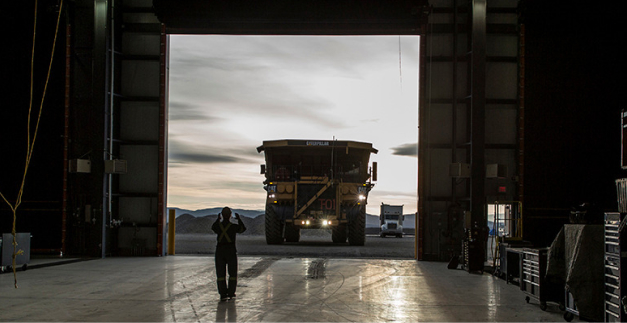
A Cat Certified Machine Rebuild (CMR) restores your entire machine to like-new condition by reconditioning or replacing all major systems.
A full machine rebuild typically includes:
- Powertrain components (engine, transmission, driveline)
- Hydraulic systems
- Structural components (main frames and cabs)
- Implements (blades, rippers, buckets, winches)
- Machine guarding and enclosures
CMR ensures all systems meet Caterpillar specifications for performance, durability, and safety.
A Cat Certified Machine Rebuild offers similar performance at a significantly lower cost than buying new.
Typical cost comparison:
- ~50–70% of the price of a new machine
- In some cases, less than half the cost, depending on model and rebuild scope
This makes a CMR a cost-effective way to extend asset life while maintaining OEM-level performance.
Yes. Many Cat Certified Machine Rebuilds can incorporate the latest Caterpillar technology upgrades.
Available upgrades may include:
- Machine monitoring systems
- Operator-assist features
- Safety technologies
- Efficiency and productivity enhancements
Technology availability depends on the machine model and compatibility with newer systems.
A wide range of Caterpillar machines are eligible for CMR, including:
- Track-type tractors (bulldozers)
- Hydraulic excavators
- Motor graders
- Off-highway trucks
Eligibility depends on machine condition, model, and rebuild feasibility. Finning also offers flexible rebuild options tailored to budget and timeline requirements.
A full machine rebuild can involve replacing thousands of components.
In many cases:
- Up to 7,000 parts may be replaced or reconditioned
- All wear components are renewed
- Critical systems are restored to OEM standards
This comprehensive process ensures the machine is ready for another full service life.
Yes. Structural repairs are a core part of a Cat Certified Machine Rebuild.
This includes:
- Frame inspection and restoration
- Welding and reinforcement where required
- Alignment and structural integrity checks
These repairs ensure the machine meets original strength and durability specifications.
Yes. Machines that undergo a Cat Certified Machine Rebuild (CMR) receive a new serial number.
This:
- Confirms the machine meets Caterpillar’s CMR standards
- Helps maintain asset value and resale confidence
- Differentiates CMR machines from other rebuild types
CMR is the only rebuild option that provides a new serial number.
Yes. While CMR follows strict Caterpillar requirements to achieve certification, there is still flexibility.
Finning offers:
- Custom rebuild options based on operational needs
- Scope adjustments aligned to budget and timelines
- Alternative rebuild programs (e.g., powertrain or hydraulic rebuilds)
This allows you to balance performance, cost, and downtime.
Powertrain and Hydraulic REBUILD
A Cat® Certified Powertrain (CPT) or Powertrain + Hydraulics rebuild is a targeted way to restore your machine’s most critical systems, delivering like-new performance, improved reliability, and extended service life without the cost of a full machine rebuild. Whether you're evaluating rebuild timing, identifying early signs of powertrain wear, or comparing CPT to other rebuild options, the below FAQs provide clear, practical guidance. Learn what’s included, how rebuilds improve performance, and how you can customize your rebuild to maximize uptime, efficiency, and return on investment
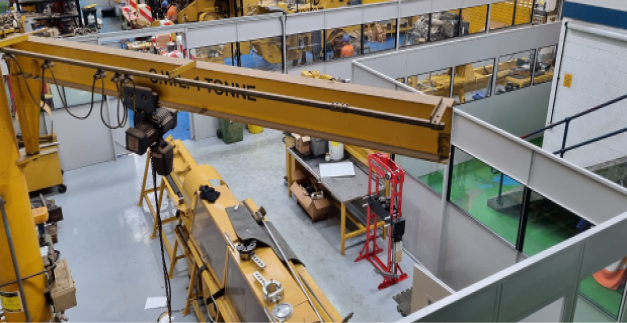
A Certified Powertrain (CPT) rebuild includes all major components responsible for powering and moving the machine. These typically include:
- Radiator group and cooling systems
- Engine and Electronic Control Modules (ECMs)
- Coolers and torque converter
- Transmission and output transfer gears
- Driveline and differential
- Final drives and steering components
- Axles and housings
- Brakes on drive wheels
In short: any component that transmits power from the engine to the ground is included in the Certified Powertrain scope.
A powertrain rebuild is best completed before a major failure occurs. For most machines, the recommended first‑life powertrain rebuild begins at approximately 12,000 operating hours.
Common indicators that a rebuild may be needed include:
- Increased fuel consumption or excessive engine blowby, often caused by worn internal components
- Oil analysis results showing elevated wear metals or contaminants, especially in Level 2 or Level 3 components such as shafts, gears, and housings
- Reduced machine performance, including slower cycle times, low power, or sluggish operation
Regular oil sampling and condition monitoring are key tools for identifying rebuild timing and avoiding unplanned downtime.
Early signs of powertrain failure can include:
- Elevated wear metals found in oil samples, magnetic plugs, or filter media
- Loss of power, reduced drivability, or inability to move the machine
- Abnormal noises, vibration, or overheating
If any of these symptoms appear, scheduling a pre‑rebuild inspection can help assess machine condition and determine the most cost‑effective rebuild strategy.
Yes. A Certified Powertrain rebuild (CPT) is typically more cost-effective than a Certified Machine Rebuild (CMR).
- CPT rebuilds focus on the engine and drivetrain and generally cost 50–65% of the price of a new machine
- CMR rebuilds include powertrain, hydraulics, structural components, and electrical systems (main frame, implements, wiring harnesses, and electronics) and can cost 70% or more of new
For many customers, a CPT delivers the best balance of cost control and extended machine life.
A Certified Powertrain rebuild restores performance by:
- Replacing worn internal sealing and wear components
- Eliminating excessive tolerances that reduce efficiency and power output
- Updating aged installation components such as rubber mounts and flexible hoses, which are common causes of mid‑life downtime
The result is improved reliability, restored power, and more consistent machine performance.
Yes. A Certified Powertrain rebuild is designed to return powertrain components to like‑new condition, giving the machine a new productive life.
By restoring critical systems, a CPT rebuild:
- Extends usable machine life
- Improves reliability and uptime
- Maximizes return on the original machine investment
After the rebuild, a Certified Cat® technician completes a comprehensive quality‑control process, including:
- Verification of fluid levels and service points
- Operational testing of all rebuilt components
- Functional testing of attachments and hydraulic systems
- Inspection for leaks, hose chafing, loose fasteners, and improper connections
Machines are only returned to service once they meet strict operational and performance standards.
Yes. A Certified Powertrain rebuild can be customized with additional upgrades, including:
- Cab refurbishments or operator comfort upgrades
- Undercarriage repairs or replacement
- Hitch, implement bushings, and bearing replacements
- Complete machine repainting
A CPT rebuild can also be expanded into a Certified Powertrain + Hydraulics rebuild for even greater performance and longevity.
MACHINE COMPONENT REBUILD
Certified machine component rebuilds offer a flexible, cost-effective way to restore the performance of critical systems, without committing to a full machine rebuild. Whether you’re evaluating rebuild versus repair, exploring cost savings, or understanding what’s involved in rebuilding engines, transmissions, or hydraulic components, these FAQs provide clear, practical guidance. Learn which components can be rebuilt, how the process works, and how targeted rebuilds can extend machine life, improve reliability, and maximize return on your equipment investment.
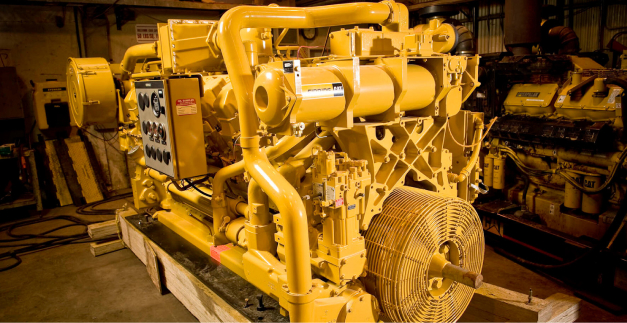
Most major machine components can be rebuilt individually or replaced with refurbished units.
Common rebuildable components include:
- Engines
- Transmissions
- Torque converters
- Transfer gears / dropboxes
- Differentials
- Final drives and axles
- Hydraulic components such as cylinders, valves, and select pumps and motors
Rebuilding individual components allows you to extend machine life without replacing the entire system.
Choose a component rebuild when:
- You plan to keep and operate your machine long-term
- The component shows significant wear or nearing end-of-life
- Downtime is manageable (rebuilds typically take longer than repairs)
A rebuild is a strategic investment that restores full component performance, while part replacement is often a shorter-term fix.
Rebuilding or purchasing refurbished components can deliver significant cost savings:
- Up to 40% less than buying new components
- Typically 50–65% of the cost of new
In many cases, extended protection plans (EPP) are available to protect your rebuilt component investment.
Yes. Professionally rebuilt components are engineered to perform like new during the rebuild process:
- All wear parts (e.g., bearings, seals) are replaced
- Multi-life parts are inspected, refurbished, or replaced according to OEM standards
- Components are tested to ensure full functionality
This ensures rebuilt components meet reliability and performance expectations for another full lifecycle.
Rebuilding major components such as engines and transmissions involves a standardized process:
- Cleaning and disassembly
- Detailed inspection against OEM reuse and salvage criteria
- Replacement of Level 1 (wear) parts such as seals and bearings
- Evaluation of Level 2 and 3 parts (e.g., gears, shafts, housings), which are:
- Reused
- Salvaged
- Or replaced - Reassembly following OEM specifications
- Testing and validation to ensure performance and reliability
- Finishing and preparation for installation or shipping
This process restores the component to like-new condition.
Typical rebuild timelines range from:
1 week to 1 month, depending on:
- Component condition
- Parts availability
- Rebuild complexity
Unplanned failures may increase timelines due to additional part requirements.
Pro tip: Planning rebuilds before failure helps:
- Reduce downtime
- Improve parts availability
- Increase reuse of major components
- Ensure shop capacity
Yes. Multiple components can often be rebuilt simultaneously.
Facilities across Western Canada are equipped with:
- Specialized rebuild bays
- Dedicated technical teams
- Capacity to handle multiple major components at once
This enables coordinated rebuilds for large machines or fleets.
Yes. All rebuilt components undergo rigorous testing before being returned to service.
Testing typically includes:
- Engines and transmissions: Dyno or bench testing to verify performance and settings
- Hydraulic components: Functional testing and leak checks
Additional testing, calibration, and pressure adjustments may be required after installation, depending on the machine model.
Power and Energy
A Power & Energy engine rebuild is a strategic, cost-effective way to restore the performance and reliability of critical gas and diesel engines used in power generation, compression, and industrial applications across Canada. Whether you're assessing rebuild versus replacement, planning for long-term asset life, or looking to improve uptime in demanding operating environments, the below FAQs provide clear, practical guidance. Learn how Cat® approved rebuild processes help extend engine life, control costs, and ensure consistent, dependable performance tailored to your application.
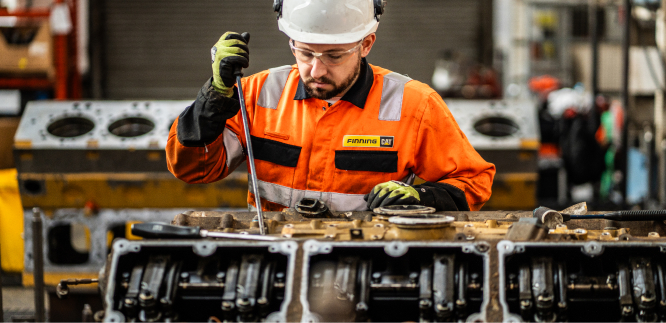
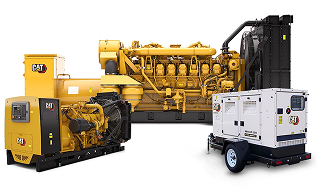
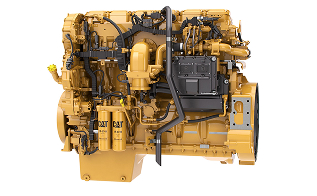
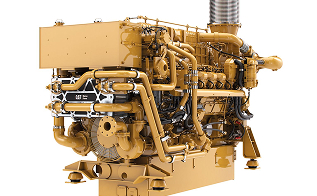
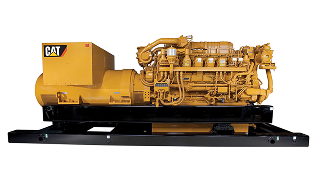
A Power & Energy engine rebuild restores a gas or diesel engine to a defined performance standard using Cat‑approved processes, tooling, and specifications.
The goal is to extend engine life, improve reliability, and return the asset to productive service without the cost or lead time of full replacement.
Rebuilds are commonly used in Canadian power generation, gas compression, and industrial applications where uptime, known performance, and cost control are critical.
While scope varies by application, a typical rebuild may include:
- Complete engine inspection and measurement against wear limits
- Replacement or remanufacture of major components as required
- Precision machining and Cat‑approved assembly
- Performance and reliability testing before return to service
Your Finning Power & Energy team works with you to define the rebuild scope based on how the engine will be used going forward.
Power & Energy rebuilds follow Cat‑approved standards and processes and typically include:
- Documented inspections and measurements
- Controlled assembly using approved tooling
- Testing to confirm performance and reliability
This helps ensure the rebuilt engine meets defined specifications and is ready for continued operation.
A rebuild may be the better option when:
- The engine has remaining structural life
- Lead time for a new engine is a constraint
- Capital budgets are limited
- The application requires known, proven performance rather than new technology
For many Canadian Power & Energy customers, rebuilds offer a lower total cost of ownership while maintaining dependable operation in demanding environments.
A repair fixes a specific failed component or issue.
A rebuild is a planned, comprehensive process that evaluates the entire engine against wear limits and future operating requirements.
Key differences:
- Repairs are reactive and limited in scope
- Rebuilds are proactive and address overall engine condition
- Rebuilds are designed to support several more years of reliable operation
Rebuilds are often chosen when engines experience recurring issues, major component fatigue, or when long‑term asset life extension is required.
Rebuild timelines vary based on engine condition, scope of work, and parts availability. Typical rebuild planning includes:
- Pre‑inspection and assessment
- Defined scope of work
- Coordinated downtime scheduling
Early engagement with your Finning team helps reduce unexpected delays and supports better operational planning.
Cat® Industrial engine Support For Non-cat machine fleets
See it for yourself- Dozer D6T Rebuild Timelapse
Examine the Cat® Certified Rebuild procedure from beginning to end, encompassing the disassembly, reassembly, and return to the worksite.
Cat® Certified Rebuilds include

350+ Tests and Inspections

Automatic Replacement up to 7,000 Parts

Like-New Machine Warranty

Trained Finning Technicians

Genuine CAT Parts

Component Assurance
We have other locations too. If your nearest Rebuild Facility is not listed, Don’t worry!
Inquire Now
A team member will get back to soon


Loading
Thank You!

Thank you for your inquiry! One of our team members will reach out to you shortly.
Oops!

Sorry, there has been an issue submitting your form. Please refresh the page and try again.
If the issue persist, please contact our company through the phone number or email provided on the page.